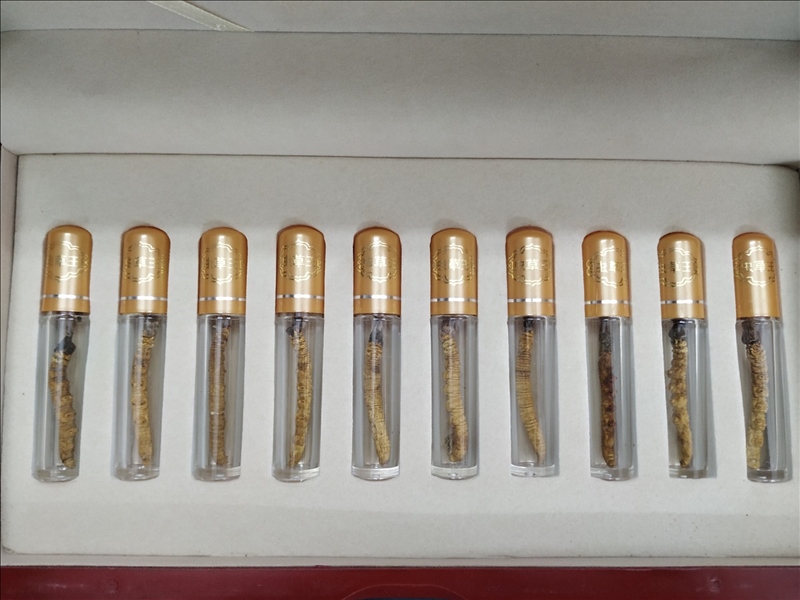
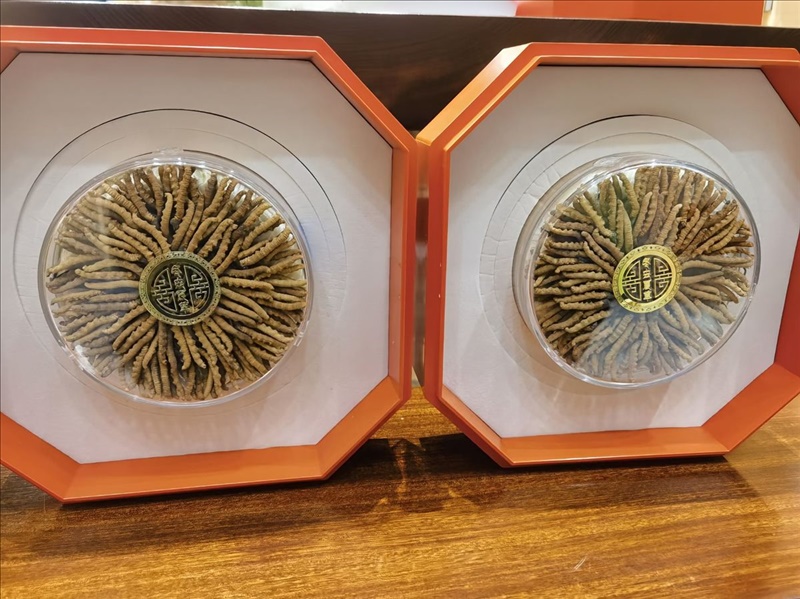
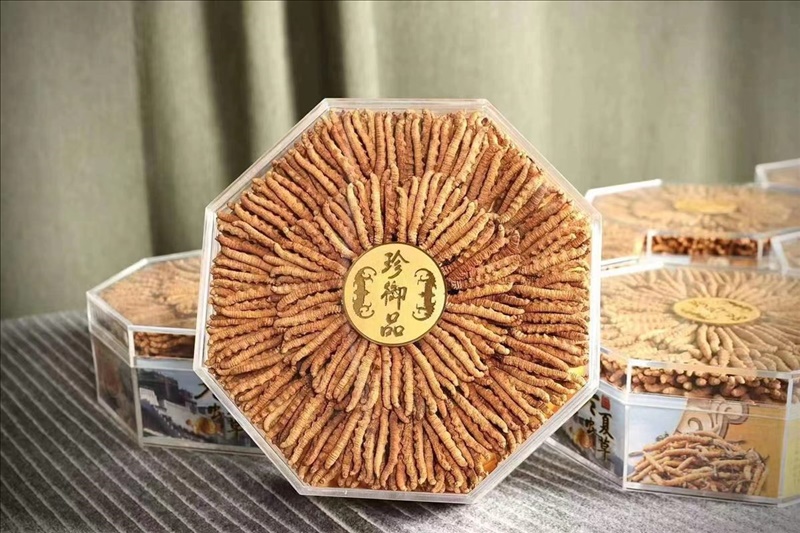
*Cordyceps sinensis* is a prized parasitic fungus formed through a complex symbiosis between the *Cordyceps* fungus and the larvae of ghost moths (family Hepialidae). This unique growth process occurs entirely naturally across China's Tibetan Plateau and adjacent regions—such as Sichuan, Qinghai, Gansu, and Yunnan—at altitudes ranging from 3,500 to 5,200 meters. At these elevations, the harsh climate, extreme diurnal temperature fluctuations (often exceeding 15°C), thin oxygen levels, intense ultraviolet radiation, nutrient-rich black soil, and pristine water sources derived from melting ice and snow combine to create a perfect and unique environment for the growth of natural *Cordyceps*.
The biological life cycle of *Cordyceps* is a fascinating and complex biological phenomenon. During the winter, fungal spores attach to the larvae of ghost moths—which live in the soil—and subsequently germinate and invade the larvae's bodies. The fungus absorbs nutrients from within the larvae, causing them to die and become rigid. Throughout the winter, the fungus develops inside the deceased larvae, forming a network of mycelia that envelops the entire larval body. The following summer, when soil temperatures rise and humidity levels are favorable, the fungus sprouts from the head of the larva, forming a small, grass-like, reddish-brown structure known as a "stroma." This stroma produces spores, thereby perpetuating the biological life cycle. This is the origin of the name "Winter Worm, Summer Grass"—a worm in winter, and grass in summer.
In Traditional Chinese Medicine (TCM), *Cordyceps* has been utilized for over 2,000 years as a premium tonic (classified as a "Superior Grade" remedy). The earliest classic medical text to document *Cordyceps* is the *Bencao Congxin* (New Compilation of Materia Medica), compiled during the Song Dynasty (10th–13th centuries). Subsequently, numerous other classic medical treatises—such as the *Bencao Jingshu*, *Bencao Tongxuan*, and *Bencao Gangmu*—provided detailed accounts of *Cordyceps*' efficacy and methods of application. According to TCM theory, *Cordyceps* is believed to possess the ability to "regulate Yin and Yang, and nourish the Lungs and Kidneys," thereby aiding in the restoration of endocrine balance, the enhancement of vitality, and the improvement of overall health. This unique characteristic of "balanced tonification"—being neither excessively "hot" nor excessively "cold" in nature—makes *Cordyceps* suitable for individuals of various constitutional types, without inducing "internal heat" or "excessive coldness" as some other tonics might. Classified as a "premium tonic," *Cordyceps* is grouped alongside Ginseng, Reishi Mushroom, and Deer Antler, collectively regarded as the "Four Most Precious Tonics" in Traditional Chinese Medicine.
Modern scientific research into *Cordyceps sinensis* began in the 1950s and has flourished over recent decades, revealing that it contains over 200 distinct organic compounds—including numerous precious bioactive substances with demonstrable medicinal properties. The most characteristic and extensively studied constituent is cordycepin, an adenosine-derived nucleotide possessing a wide range of potent biological effects. Other key components include cordycepic acid, *Cordyceps* polysaccharides (particularly high-molecular-weight polysaccharides exhibiting strong immunomodulatory activity), adenosine, ergosterol, peroxides, and essential amino acids (comprising a total of 17 amino acids, including the 8 essential amino acids that the human body cannot synthesize on its own). It also contains valuable trace elements—such as selenium, zinc, iron, copper, manganese, chromium, cobalt, molybdenum, and vanadium—as well as B-complex vitamins (B1, B2, B6, B12), Vitamin E, Vitamin K, and Vitamin D. While each of these constituents possesses its own specific medicinal properties, when combined within natural *Cordyceps sinensis*, they generate a synergistic effect that is far more powerful and comprehensive than the effects of any single component taken in isolation.
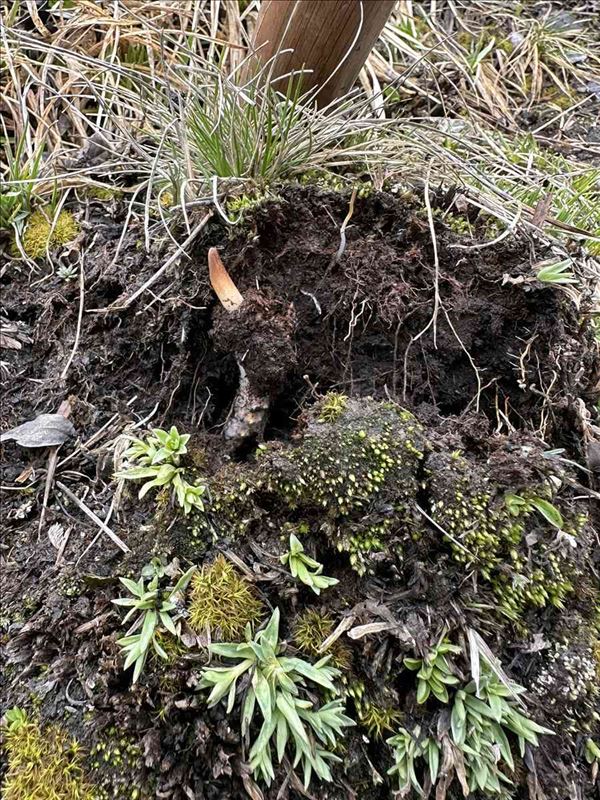
Harvesting wild *Cordyceps* is an extremely arduous and labor-intensive undertaking. Every year between May and June—depending on altitude and weather conditions—local residents venture into the high-altitude regions to search for and gather *Cordyceps*. Because *Cordyceps* grows in a scattered pattern and is exceptionally difficult to spot, a single individual may spend an entire day searching yet find only a few specimens. Harvesting also requires specialized techniques to ensure that the *Cordyceps* is not damaged, thereby preserving its physical integrity and quality. Once harvested, the *Cordyceps* is cleaned and dried using either traditional or modern methods to retain all of its precious nutritional compounds. Dried *Cordyceps* can be stored for many years without any loss of quality, provided it is kept in a cool, dry place and protected from moisture.
Throughout history, *Cordyceps* has been regarded as a rare and valuable tonic. It was once reserved for nobility and used as a prestigious gift. In the early modern period, Western researchers also began studying cordyceps in Tibet, helping introduce this unique medicinal fungus to a broader international audience.
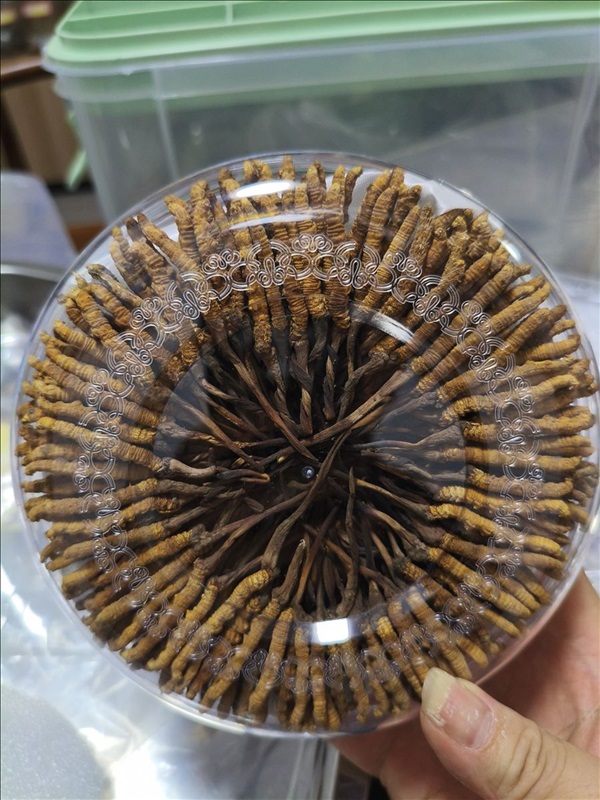
Selecting high-quality *Cordyceps* is crucial for ensuring its efficacy. Premium *Cordyceps* typically exhibits the following characteristics: the insect body (larval portion) is reddish-brown or yellowish-brown, firm, and neither soft nor damp; the stroma (the fungal growth) ranges from reddish-brown to dark brown, grows from the head of the insect body, and remains intact without breakage or damage; the specimens are uniform in size, typically measuring 3 to 8 centimeters in length; they possess a distinctive aroma, free from any moldy or off-putting odors; and their surfaces are free of impurities, sand, or adhering soil. You should purchase *Cordyceps* from reliable suppliers that provide quality certifications and clear provenance to ensure that you do not acquire counterfeit or inferior products.
*Cordyceps* can be utilized in a variety of ways, each offering distinct advantages and catering to different purposes. The most common method involves steeping *Cordyceps* in boiling water—much like brewing tea—and consuming the liquid while it is still warm. This approach is simple and convenient, helping to preserve both the flavor and the water-soluble nutrients. Another method involves simmering *Cordyceps* in soups, often combined with other herbs such as ginseng, goji berries, red dates, and longan to enhance its tonic effects. *Cordyceps* can also be incorporated into soups prepared with chicken, duck, roasted pork, or bones, creating dishes that are both nutritious and delicious. Furthermore, *Cordyceps* can be steeped in alcohol, allowing for its gradual consumption over an extended period. Each of these methods possesses its own unique characteristics, enabling users to select the option that best suits their personal preferences and circumstances.
Modern scientific research has substantiated numerous biological and pharmacological effects of *Cordyceps*. First, *Cordyceps* serves to bolster the immune system, thereby assisting the body in warding off diseases and infections. The polysaccharides found in *Cordyceps* can activate immune cells—such as T cells, B cells, NK (natural killer) cells, and macrophages—enhancing their capacity to recognize and eliminate abnormal cells as well as pathogenic microorganisms. Second, *Cordyceps* exhibits potent antioxidant properties, helping to scavenge free radicals within the body, slow down the aging process, and protect cells from oxidative damage. Both cordycepin and the polysaccharides present in *Cordyceps* possess strong antioxidant activity.
Furthermore, *Cordyceps* offers cardiovascular protective benefits, helping to improve blood circulation, lower blood lipids, slightly reduce blood pressure, and protect the heart against ischemic injury. Studies indicate that *Cordyceps* can lower levels of LDL (bad cholesterol) and triglycerides while simultaneously increasing levels of HDL (good cholesterol). Fourth, *Cordyceps* provides protective effects for both the liver and kidneys, helping to enhance the function of these two vital organs and shield them from harmful substances. Fifth, *Cordyceps* serves to boost energy and stamina, helping to alleviate fatigue, improve athletic endurance, and enhance sleep quality. This is why *Cordyceps* is frequently utilized by athletes and individuals engaged in demanding mental work.
In addition to the primary functions mentioned above, *Cordyceps* possesses numerous other effects that have been studied and substantiated. For instance, *Cordyceps* exhibits anti-inflammatory properties, helping to mitigate inflammatory responses within the body and alleviate symptoms such as pain, swelling, and redness. Furthermore, *Cordyceps* plays a role in regulating blood glucose, aiding in the management of blood sugar levels in patients with Type 2 diabetes. Some studies also suggest that *Cordyceps* may possess anti-cancer properties, although further research is required to confirm and elucidate the underlying mechanisms of this effect. Cordycepin—a key active compound found in *Cordyceps*—is believed to have the capacity to inhibit cancer cell proliferation and induce programmed cell death (apoptosis) in certain types of cancer cells.
Protecting natural *Cordyceps* resources is an issue of growing importance. Driven by high economic value and ever-increasing market demand, the over-harvesting of *Cordyceps* over recent decades has led to a severe decline in both the quantity and size of natural specimens. Many regions that were once abundant in *Cordyceps* now find it difficult to locate. To address this issue, numerous countries have implemented conservation measures—such as designating specific harvesting seasons, limiting harvest quotas, prohibiting the collection of undersized specimens, and establishing nature reserves. Concurrently, intensive research into the artificial cultivation of *Cordyceps* is underway to create alternative supply sources and alleviate the pressure on natural resources.

In recent years, with the advancement of modern analytical techniques, scientists have become able to accurately identify and quantify numerous active constituents within *Cordyceps sinensis*. This has facilitated improved quality control for *Cordyceps* products, ensuring that consumers receive products of consistent and reliable quality. Furthermore, numerous national and international quality standards have been established to regulate the quality, safety, and provenance requirements of *Cordyceps* products. Adherence to these standards is crucial for safeguarding consumer interests and upholding the reputation of this precious medicinal herb.
Cordyceps is not only a precious medicinal herb offering numerous health benefits but also an integral part of Eastern medical culture and tradition. For over two millennia, Cordyceps has helped countless individuals improve their health and quality of life. Today, through the convergence of traditional wisdom and modern scientific research, we are gaining an ever-deeper understanding of the value and potential of this precious herb. It is our hope that, in the future—driven by advancements in science and technology as well as effective resource conservation measures—Cordyceps will continue to bring health benefits to an ever-growing number of people worldwide, while its natural resources are simultaneously preserved sustainably for generations to come.