Home Guide

Product Images and Origins
Cordyceps Guide

1. Does cordyceps cause internal heat? Understanding its balanced tonic nature

As a revered tonic with a legacy spanning millennia, *Cordyceps* has consistently maintained a prominent position within the realm of holistic wellness. In the theoretical framework of Traditional Chinese Medicine (TCM), *Cordyceps* is classified as a superior-grade "balanced tonic"—being neither excessively heating nor cooling—with its core essence lying in the simultaneous regulation of *Yin* and *Yang* and the dual nourishment of both the Lungs and the Kidneys. The *Bencao Gangmu Shiyi* (Supplement to the Compendium of Materia Medica) records its nature as "sweet, warm, and balanced," noting its efficacy in "treating various forms of deficiency and general debilitation." Furthermore, the Qing Dynasty text *Yaoxing Kao* (Treatise on the Properties of Medicinal Herbs) explicitly states: "It preserves vital essence and boosts *Qi*, specifically nourishing the *Mingmen* (Gate of Vitality); it is suitable for the elderly, the young, and those suffering from physical weakness." This unique characteristic of balanced tonification stems from its comprehensive capacity to simultaneously regulate the immune, endocrine, and metabolic systems.

Why do some people feel "heated" after taking it?

There are usually three main reasons:

  • Body constitution: People who already tend to feel internal heat may be more sensitive to regular use and may prefer to pair it with cooling or yin-nourishing ingredients.
  • Ingredient combinations: Taking it together with strongly warming ingredients such as deer antler or ginseng may make the body feel hotter.
  • Product quality: Inferior or contaminated products may trigger discomfort or inflammatory reactions.

Modern pharmacological research suggests that *Cordyceps* contains active compounds such as cordycepin and cordycepic acid. Its reputation as a balanced tonic comes from its ability to support immune activity and energy metabolism without being seen as an extreme warming or cooling herb.

2. How much should you take? A practical guide to dosage and use

1. Brew as a daily drink

Basic Dosage:

  • • For one person: 1 to 3 strands at a time, depending on product size.
  • • For shared use: adjust the amount based on the number of people drinking.
  • • For recovery needs: 5 to 8 strands a day may be used with suitable guidance.

Tips for brewing:

  • • Use hot water at around 80°C and steep for about 10 minutes.
  • • The same strands can be refilled 2 to 3 times before eating them.
  • • It can also be paired with ingredients such as goji berries or red dates depending on your preference.

2. Add it to nourishing meals

  • Cordyceps Chicken Soup: 1 whole hen + 5 Cordyceps strands + 5 red dates + 3 slices of ginger; simmer over low heat for 2 hours.
  • Cordyceps Soft-shelled Turtle Soup: 1 soft-shelled turtle + 5 Cordyceps strands + 50g yam + 15 goji berries; nourishes Yin and tonifies the kidneys.
  • Cordyceps Lean Meat Congee: 100g Japonica rice + 3 Cordyceps strands + 50g lean pork; strengthens the spleen and nourishes the stomach.

3. Infuse in liquor

Classic Formula: 50g Cordyceps + 10g Deer Antler + 200g Goji Berries + 2.5kg (5 catties) of 50% ABV Baijiu

Preparation Method: Seal and store for 15 days before consumption; take 15–30 ml daily.

4. Grind into powder

Preparation Method: Grind the Cordyceps into a powder; take 1–2 grams daily, swallowed with warm water.

Precautions: Ensure that the Cordyceps selected is thoroughly dried to prevent mold growth.

3. Natural cordyceps vs. cultured products: what is the difference?

Many people assume that cordyceps drinks, capsules, powders, and cultured products are all the same. In reality, there are major differences in form, composition, and overall value.

Natural cordyceps

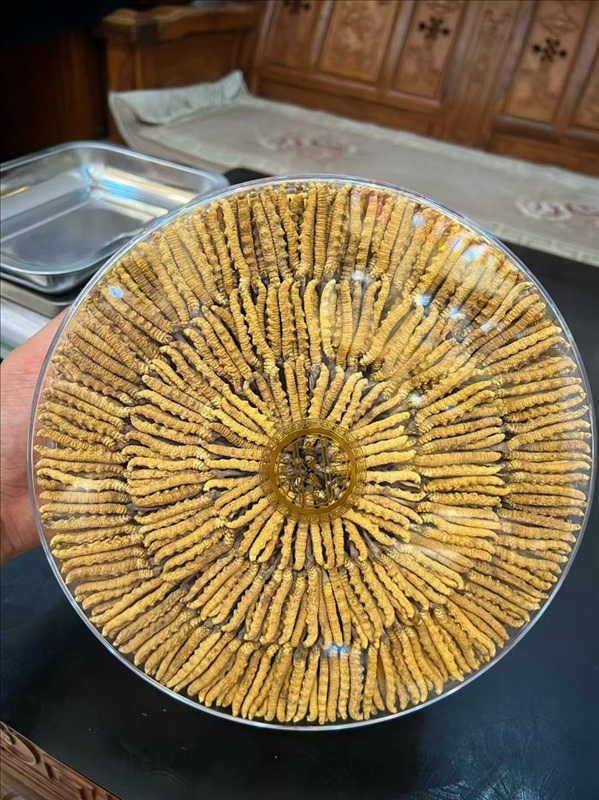
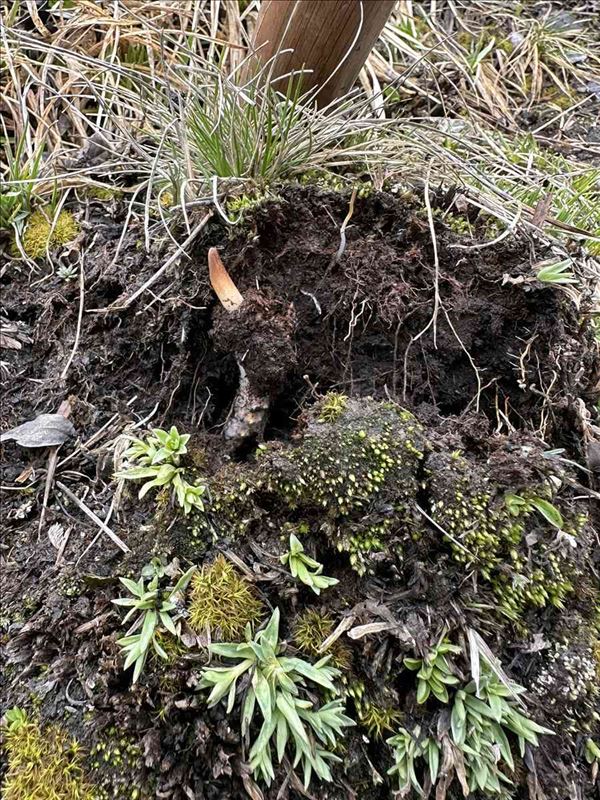
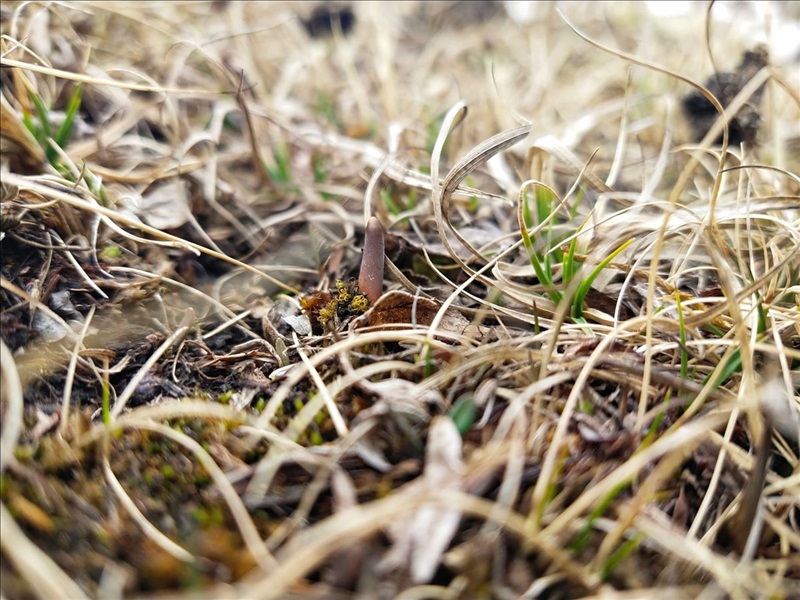
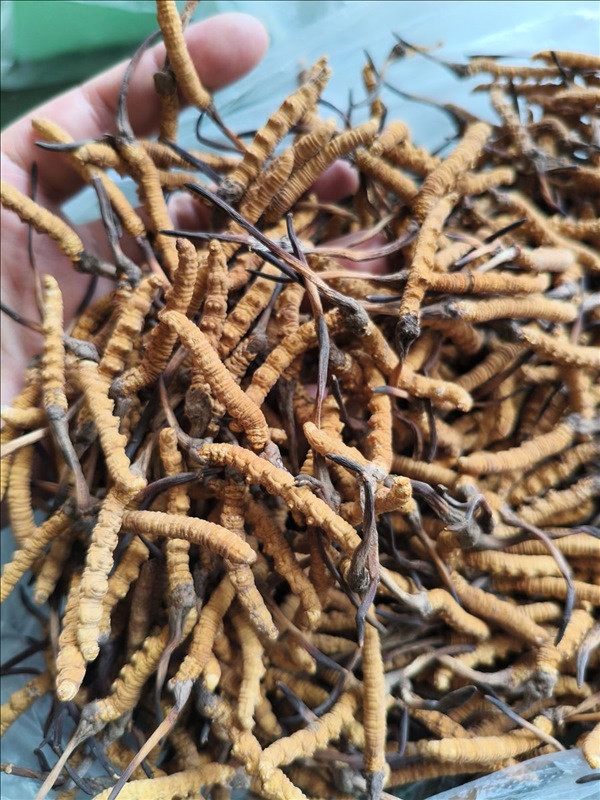
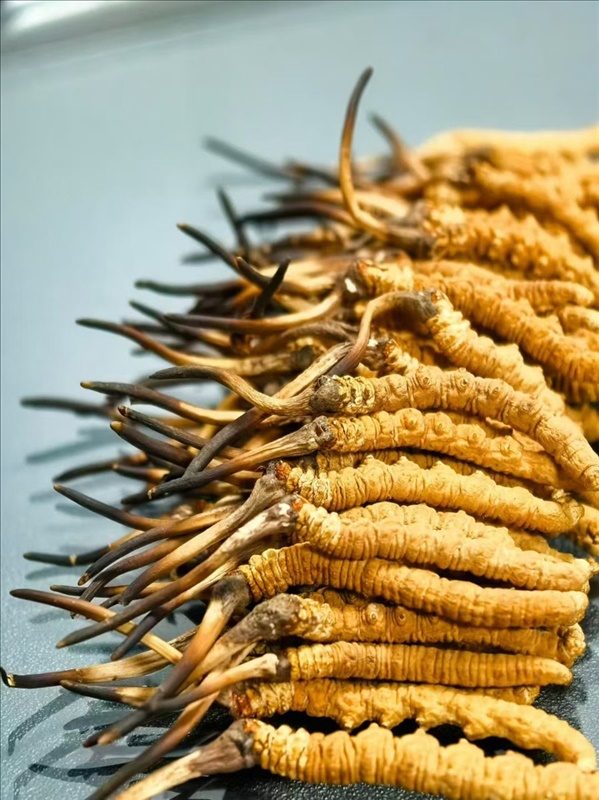
This refers to natural *Cordyceps sinensis* formed through the natural relationship between ghost moth larvae and the cordyceps fungus in high-altitude environments. It is the form most people refer to when talking about premium natural cordyceps.

Cultured and fermented products

These products are usually made through fermentation or cultivation techniques and may contain only part of the compounds associated with cordyceps. They should not be considered identical to naturally formed whole cordyceps.

4. Who can use it, and who should be cautious?

Good candidates for use

  • People with lower vitality: Those who often feel tired, short of breath, or physically run down.
  • People with long-term health concerns: It is often chosen as part of a broader wellness routine for respiratory, kidney, or recovery support.
  • People under ongoing stress: Those who stay up late often, work intensely, or feel their resilience has dropped.
  • People recovering after illness: Those looking to rebuild strength and restore energy gradually.
  • Middle-aged and older adults: Often used by people who want long-term support for everyday wellness.

People who should be cautious

  • Children: Growth is not yet complete, and the immune system is not yet mature; use is not recommended.
  • Pregnant or breastfeeding women: Use should be cautious and preferably discussed with a professional.
  • Individuals with Allergies: Cordyceps protein carries a potential risk of triggering allergic reactions.
  • People with fever, colds, or obvious internal heat symptoms: It may not be suitable during these periods.
  • People undergoing intensive treatment such as chemotherapy or radiotherapy: Use should only be considered with appropriate professional guidance.

In short: Cordyceps is not a miracle cure. It is better understood as a long-term wellness product that works best when the quality is right and the method of use is appropriate.

5. How to choose quality cordyceps

Counterfeit or low-grade cordyceps is common in the market, so buyers should pay close attention to provenance, appearance, and product quality information.

Common counterfeit methods

  • • "Pieced-together Cordyceps": "grass" and "insects" joined together using adhesive
  • • "Plastic Cordyceps": molded using plastic-shaping dies
  • • "Dyed Mixtures": a blend of dead insects and fungal mycelium that has been artificially colored
  • • "Water-injected Cordyceps": subjected to high-temperature bleaching and injected with water to artificially increase weight

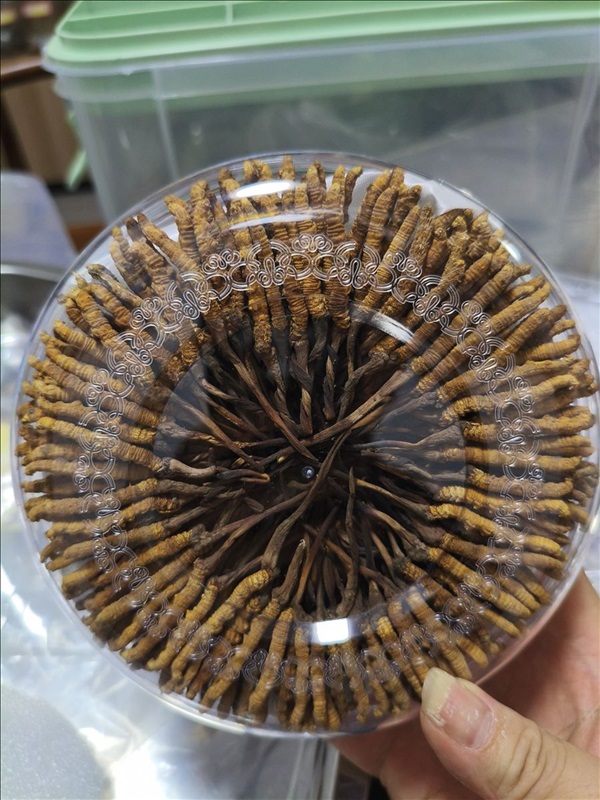
Signs of authentic cordyceps

  • • Naturally curled stems, slightly yellowish with a hint of brown
  • • Intact body, clearly defined segments, with legs and eyes
  • • Faint fungal aroma and a slightly fishy smell
  • • Resilient to the touch, not easily broken

When buying, prioritize clear provenance, natural appearance, and transparent quality information.

Key takeaways

The value of cordyceps depends not only on what it is, but also on how it is sourced and used. Choosing authentic products, using sensible amounts, and understanding your own needs will help you get more from it over time.

Save this guide for future reference when choosing and using cordyceps.